Bring Rooms Full Circle with Repair, Refurbish, and Story-Led Style
A Home That Honors Materials
Repair First: Tools, Methods, and Confidence
The Ten-Minute Fixes That Change Everything
Wood, Fabric, and Metal: Matching Methods to Materials
Safety, Finishes, and Indoor Air Quality

Stripping, Sanding, and Surface Prep Without Regret
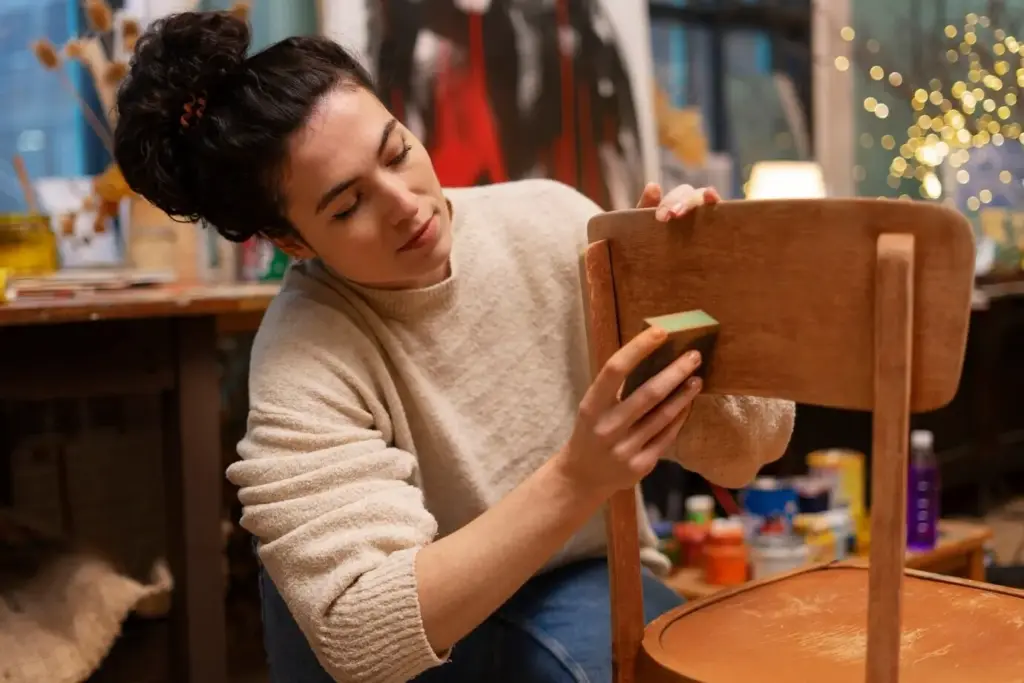
Preparation determines outcomes. Clean first to avoid grinding dirt into grain. Test hidden areas to understand finish type. Strip only what you must and protect crisp edges from over-sanding. Step through grits slowly, vacuum thoroughly, and wipe with a compatible solvent before finishing. Mask joints and moving parts to maintain function. Document hardware placement to prevent mix-ups. Thoughtful preparation minimizes waste, preserves detail, and keeps you from overcommitting. The less you remove, the more of the original story remains intact.
Color Stories That Respect Original Craft
Color can honor heritage while making a piece feel current. Sample hues on removable panels or primed swatches, watching them in daylight and at night. Choose finishes that highlight joinery, grain, or metalwork, letting craftsmanship remain visible. Think beyond single colors by layering glazes, waxes, or subtle distressing for depth. Anchor choices in narrative: a coastal blue for inherited pine, soot-charcoal for industrial steel, warm linseed tones for oak. When color extends a story, the room reads confident, layered, and honest.
Upholstery That Extends Life and Comfort
Successful upholstery updates begin with structure. Tighten frames, refresh webbing, and replace tired foam with natural or low-emission alternatives. Choose durable, cleanable textiles, ideally with recycled content or certified sourcing. Respect original lines; patterns should support proportions, not overwhelm them. Save old fabric samples and labels for provenance. Photograph layers as you dismantle to guide reassembly. A refreshed seat changes posture, mood, and the amount of time you spend gathering. Comfort becomes an invitation, and the piece earns its renewed place.
Style with Stories: Rooms that Remember
Thrift, Auction, and Community Markets
Digital Platforms and Verification

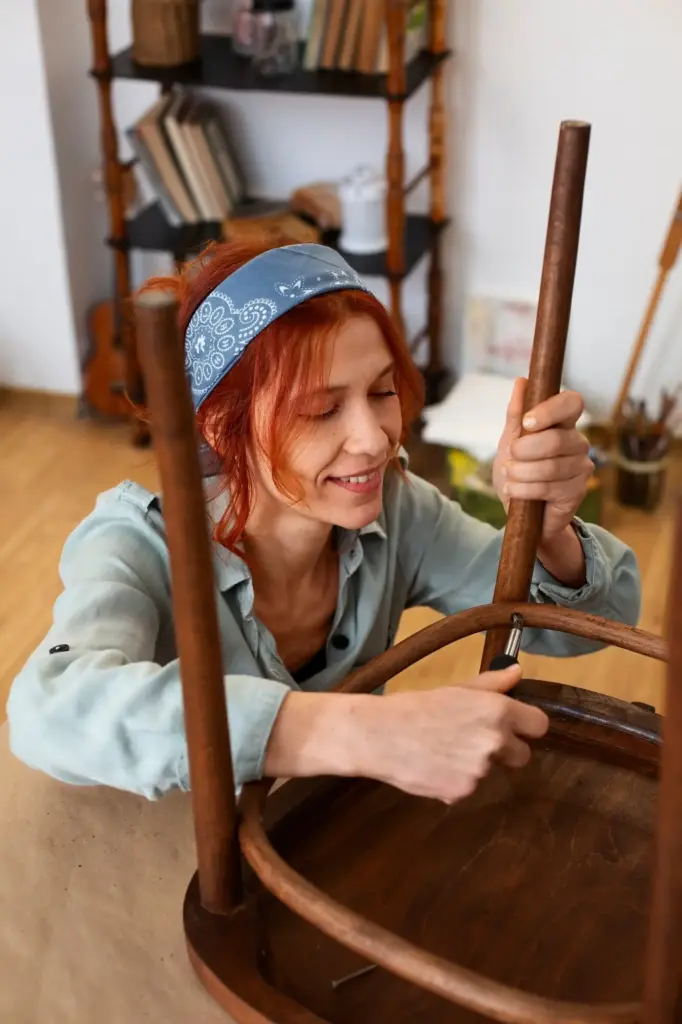

Designing for Longevity and Future Repairs

All Rights Reserved.