
Stories in Wood: Sustainable Revival of Heirloom Furniture
Grounded Restoration That Respects History
Reading the Structure Before Lifting a Tool
Choosing Materials That Age Gracefully
Giving Voice to Origins and Journeys
Design Transformations with Reversible Intent
Adaptive Ideas that Respect the Original
Convert a damaged dresser into a bar with removable shelves that leave casework intact. Turn a dining table with missing leaves into a writing desk using cleats that avoid new holes. Build a freestanding island over a rescued workbench base, allowing the original surface to remain proudly, functionally visible.
Reversible Joinery and Thoughtful Fasteners
Use drawbored pegs, threaded inserts, and shop-made cleats that allow removal without chewing fibers. Favor hide glue over epoxies where strength permits, and pilot every screw. Stamp non-original parts discreetly with dates, so future conservators can distinguish interventions quickly, preserving transparency while enabling painless updates later.
Color, Texture, and Light in Harmony
Choose finishes that complement aged tones: soap finish for soft matte tactility, light shellac for warmth, or plant oil-wax for resilient depth. Use textiles to bridge eras—natural linen runners, responsibly tanned leather pulls—and lighting that grazes surfaces gently, letting pores and tool marks whisper their enduring presence.
A Walnut Hope Chest’s Second Century
Discovery and Documentation
Inside the till lies a roll of needlepoint patterns, two ticket stubs, and a photograph with a seaside pier. The underside reveals a shipper’s mark from Hamburg and a chalked surname. Each clue is photographed, transcribed, and plotted on a timeline that welcomes gaps and acknowledges unknowns thoughtfully.
Stabilization and Gentle Renewal
Inside the till lies a roll of needlepoint patterns, two ticket stubs, and a photograph with a seaside pier. The underside reveals a shipper’s mark from Hamburg and a chalked surname. Each clue is photographed, transcribed, and plotted on a timeline that welcomes gaps and acknowledges unknowns thoughtfully.
Sharing the Journey Forward
Inside the till lies a roll of needlepoint patterns, two ticket stubs, and a photograph with a seaside pier. The underside reveals a shipper’s mark from Hamburg and a chalked surname. Each clue is photographed, transcribed, and plotted on a timeline that welcomes gaps and acknowledges unknowns thoughtfully.
Impact, Accountability, and Care
Skills, Tools, and Safe Practice
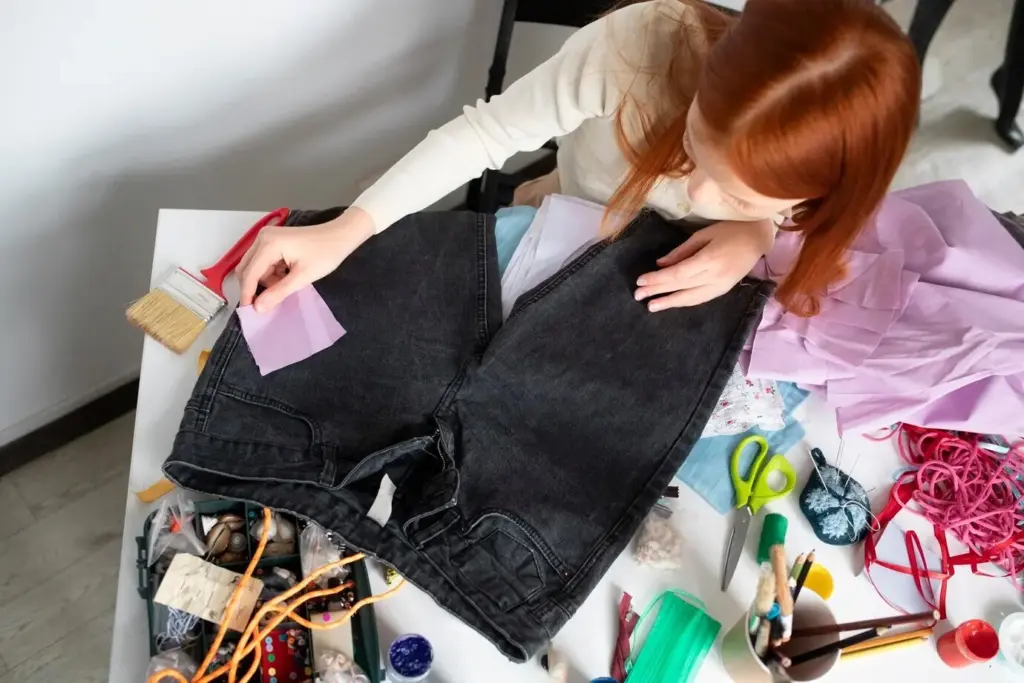
Health First in Every Space
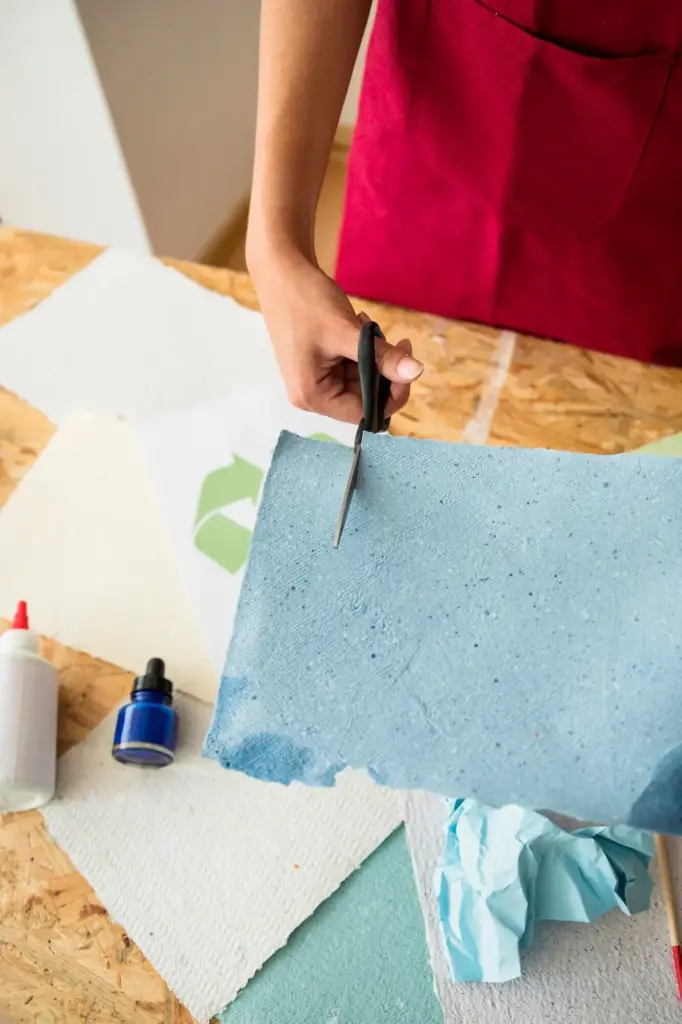
Hand Tools for Humane Work
Finishing Without Regret
Gather, Share, and Keep the Story Alive
Start a Provenance Journal Today
Host a Story Night at Home

All Rights Reserved.