From Sofa Tag to Source: Material Passports Transform Sustainable Interiors

Today we explore Material Passports for Home Furnishings: Tracing Provenance in Sustainable Interiors, revealing how a simple digital ID can narrate where materials came from, how they were made, and how they can be cared for, repaired, and responsibly cycled forward. Expect practical guidance, honest stories, and inspiring ideas that reconnect the objects you live with to the forests, fibers, metals, and makers behind them, building trust while elevating comfort, wellbeing, and circular potential inside every room you shape.

From Guesswork to Traceability

Imagine buying a chair and instantly understanding the wood species, fabric chemistry, finish emissions, labor standards, and end-of-life options. Material passports replace guesswork with traceable, living information that follows a product across moves, owners, and refurbishments. With clarity comes confidence: alignment with indoor air quality goals, supply chain integrity, and realistic maintenance plans. This transparency nurtures design choices that feel as good as they look, and it honors the environmental and human stories embedded in every comfortable cushion and frame.

What a Material Passport Contains

A strong passport compiles bill of materials, supplier relationships, certifications, recycled content, repair instructions, disassembly steps, and recommended recovery pathways. It may include carbon and water indicators, allergy and emission notes, and contact details for spare parts. Stored digitally, it updates when fabrics are reupholstered or components replaced. The result is a continuously improving profile that supports safe use today and intelligent recirculation tomorrow, without losing the object’s identity as it moves through life.

Why Provenance Protects Your Home

Knowing origins helps you avoid hidden flame retardants or finishes that off-gas in nurseries, choose wood verified from responsibly managed forests, and prefer metals with documented recycled content. Provenance sharpens questions for retailers and contractors, guiding purchases that align with values and health priorities. When the story is shared, families take better care of objects, and service providers make fewer mistakes. Everyone benefits from a calmer, clearer decision process anchored in reliable information, not marketing claims or glossy tags.

Inside the Digital ID

Modern passports live behind a QR code, NFC tag, or cloud link. Scan a discreet label under the seat and access material data, care tips, and service networks. Standards-minded formats help different apps read the same essentials, while update logs record refurbishments without rewriting history. Some brands anchor records on shared databases to reduce loss and fraud. The technology fades into the background, leaving you with clarity that is portable, verifiable, and simple enough to use during a busy showroom visit.

Provenance Stories You Can Touch

The Sofa Built from Verified Fibers

Imagine a family heirloom revived with fabric whose passport verifies recycled content, dye safety, and durability metrics suited to playful pets. The upholsterer scans the tag, selects compatible thread and zippers, and logs the new cover as a documented upgrade. Years later, a new owner sees the entire journey and continues responsible care. Instead of guessing, each decision aligns with verified information, turning a lively living room centerpiece into a long-term companion that gracefully evolves with changing households.

The Table with a Forest Footprint

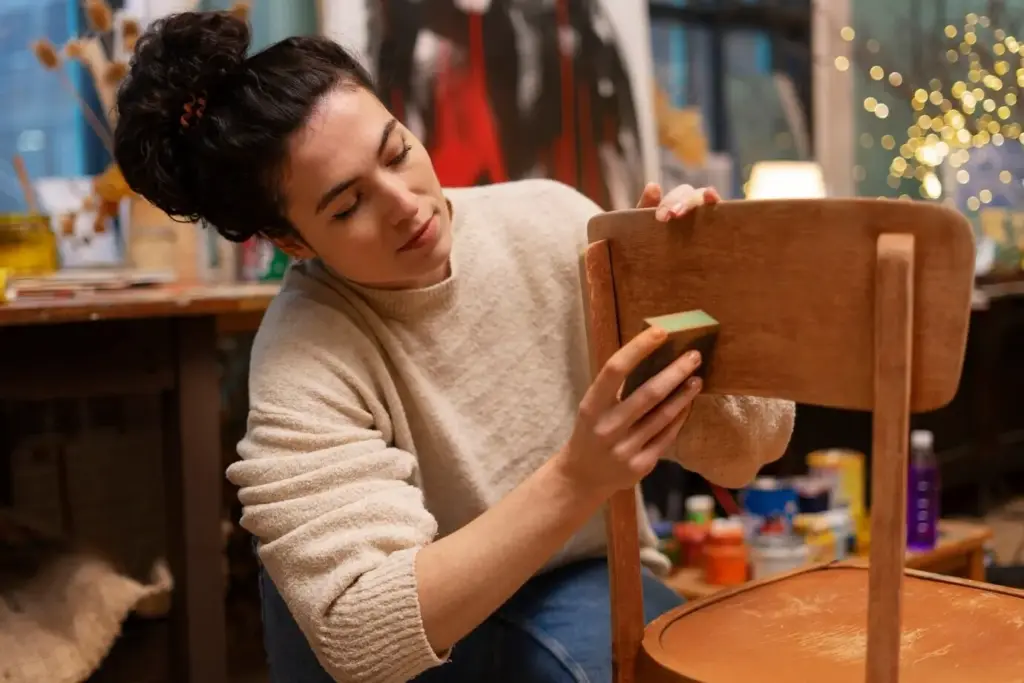
A dining table carries the memory of its forest. With materials traced to responsibly managed wood and transparent finishing oils, you can honor both habitat and craft. The passport links to maintenance steps that extend luster without sealing in unnecessary chemicals. When scratches appear, the profile guides sanding grits and compatible oils. If a leg cracks, parts are referenced by dimension. The result is a table that gathers generations while keeping its ecological and cultural story intact and alive.

The Lamp That Remembers Its Makers

Picture a lamp assembled by regional artisans, its metals documented for recycled content and its shade specified for low-emission adhesives. A scan reveals the cooperative that spun the brass, the energy used in finishing, and bulb recommendations to reduce heat and waste. When a socket ages, the passport points to a certified replacement and disposal path for old components. Every time that switch clicks, the light also illuminates relationships among people, processes, and places that made the glow possible.

Disassembly as a Design Principle

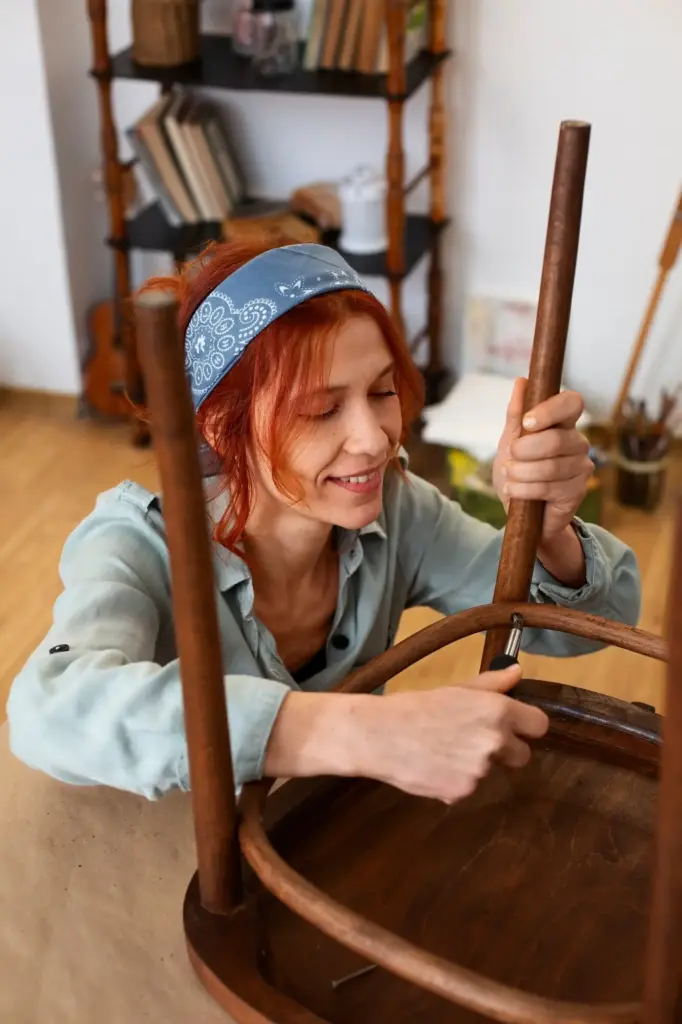
When designers choose screw types, snap fits, and reversible adhesives with tomorrow in mind, everything else gets easier. The passport records the exact fasteners, torque values, and sequence of steps for safe separation. Workshops can schedule realistic labor and avoid breakage, while recyclers receive cleaner streams. Even storage improves because modular sections nest efficiently. A simple note like “remove legs before frame” prevents costly mishaps. Thoughtful joinery, transparently documented, turns end-of-life complexities into straightforward tasks that preserve material quality.

Repair Becomes Routine, Not Rare

Imagine repairs scheduled alongside seasonal cleaning, guided by reminders that pop up from the passport. A quick scan references fabric abrasion ratings, suggests compatible cleaners, and links to tutorial videos from the original maker. Replacement arms, feet, or brackets are ordered with exact specifications, avoiding mismatches. Homeowners gain confidence, small businesses gain steady work, and the furniture’s character deepens with well-executed care. Normalizing repair through accessible documentation transforms sustainability from abstract ideology into repeatable, satisfying household practice.

Take-Back and Reverse Logistics Simplified

Returns, trade-ins, and recycling become smoother when the passport provides condition history, refurbishment notes, and component mapping. Brands can pre-approve routes, assign partners, and predict yields, keeping valuable materials in motion. Transport teams know how to protect vulnerable parts. Resale platforms verify authenticity and disclose honest wear with evidence, building buyer trust. Instead of a costly, murky end, products step into planned transitions. This predictable choreography sustains margins while reducing landfill risk and strengthening relationships across the supply chain.

Smarter Decisions at Every Stage

Homeowners, designers, retailers, and recyclers each gain from the same transparent profile. Whether specifying fabric with fewer emissions, scheduling a stain treatment, or evaluating resale value, decisions stop relying on memory or marketing alone. Clear data elevates conversations between households and service professionals, saving time and preventing mistakes. With documented integrity, premium pieces retain worth longer, entry-level pieces become safer to maintain, and everything in between benefits from guidance that respects budgets, breathability, and the simple joy of living comfortably.

01

Homeowner Confidence and Care

A passport answers everyday questions: Will this cleaner fade the dye? How often should I rotate cushions? What voids the warranty? It centralizes trustworthy, brand-backed advice and translates technical notes into friendly steps. Over time, you build a care rhythm that prevents damage and extends beauty. When life changes—new pets, new children, or a move—the profile adapts. Confidence replaces anxiety, turning ownership into a calm partnership where your furniture supports your lifestyle instead of demanding constant guesswork and worry.

02

Designer Specifications That Last

Designers often struggle to maintain spec integrity through procurement and installation. Passports keep the original intent visible: exact textiles, backing types, abrasion scores, flame test results, and finish compatibility. Contractors can verify substitutions honestly, reducing risk. Facility managers inherit the same clarity, enabling consistent maintenance years later. When a line is discontinued, equivalent options are suggested with documented reasoning. This continuity protects design vision, budgets, and brand reputation, while reducing rework and keeping sustainability claims grounded in verifiable, durable information.

03

Resale Platforms With Real Integrity

Secondhand marketplaces thrive on trust. A passport verifies materials, age, refurbishments, and care history, helping buyers compare quality beyond photos. Sellers achieve fair pricing without overstating condition, and shipping partners know how to pack parts safely. If something breaks en route, documented components speed replacement. Listings feel more like certified pre-owned experiences than gambles. As more pieces circulate with verifiable identity, the stigma around used furniture fades, unlocking enormous environmental savings while rewarding households that maintain their pieces with pride.

Start Today and Share the Journey

Create Passports for What You Own

Begin with one object you cherish. List what you know—fabric type, wood species, finish—and attach photos of labels. Add care tips from the maker or your trusted repair shop. Over time, include dates of cleanings, fixes, and moves. Even basic notes help future you or a new owner. Treat it as a friendly companion, not a technical report. The habit is more important than perfection, and every detail you capture protects value while strengthening your connection to the piece.

Ask Better Questions When Shopping

Begin with one object you cherish. List what you know—fabric type, wood species, finish—and attach photos of labels. Add care tips from the maker or your trusted repair shop. Over time, include dates of cleanings, fixes, and moves. Even basic notes help future you or a new owner. Treat it as a friendly companion, not a technical report. The habit is more important than perfection, and every detail you capture protects value while strengthening your connection to the piece.

Join Makers and Keepers

Begin with one object you cherish. List what you know—fabric type, wood species, finish—and attach photos of labels. Add care tips from the maker or your trusted repair shop. Over time, include dates of cleanings, fixes, and moves. Even basic notes help future you or a new owner. Treat it as a friendly companion, not a technical report. The habit is more important than perfection, and every detail you capture protects value while strengthening your connection to the piece.

Vezezupavukiremofepexo
Privacy Overview

This website uses cookies so that we can provide you with the best user experience possible. Cookie information is stored in your browser and performs functions such as recognising you when you return to our website and helping our team to understand which sections of the website you find most interesting and useful.