
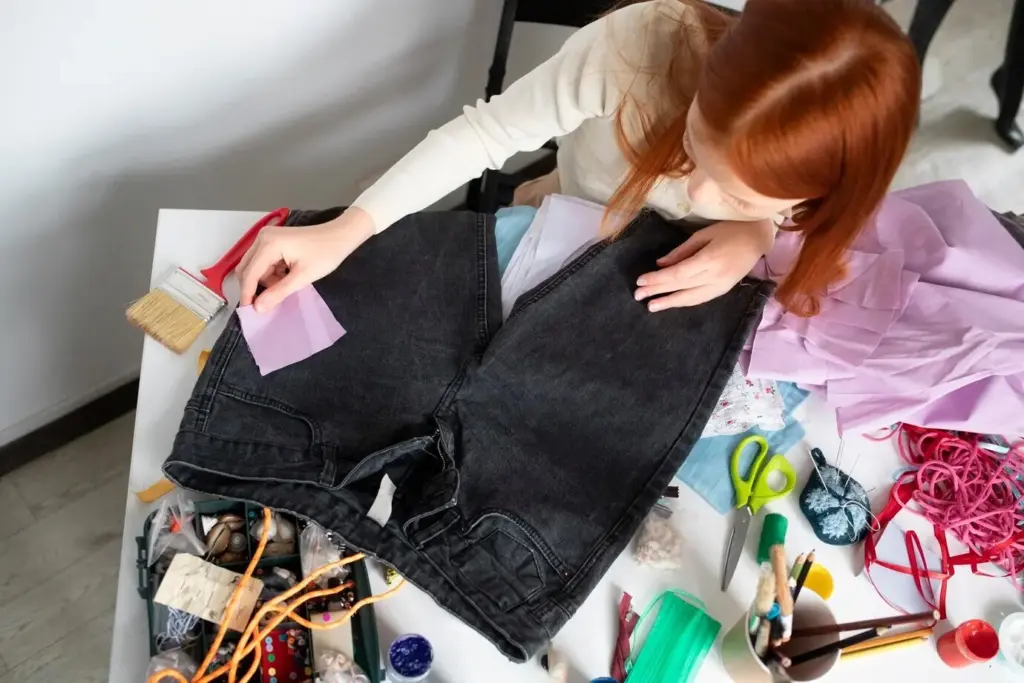
Fix, Swap, Thrive: Building Greener Home Stories Together
Today we explore community repair and furniture swap programs that build green home narratives, celebrating the creativity and care that transform everyday objects into lasting companions. From neighborhood repair gatherings to joyful exchange days, these efforts cut waste, save money, and strengthen belonging. Picture a wobbly chair becoming a family favorite again, or a lamp lighting a student’s desk after a friendly swap. Share your experiences, subscribe for field-tested guides, and help write the next hopeful chapter of resilient living.
Why Repair and Swap Change the Climate Story at Home
Extending the life of household items is one of the most accessible ways to shrink footprints while building meaningful connections. Every repaired toaster or reupholstered chair avoids emissions from manufacturing, packaging, and transport, while keeping materials circulating locally. At the same time, gatherings where neighbors learn, teach, and share cultivate pride, agency, and care. These moments become the foundation of greener home stories, where value is measured not by price tags but by durability, memories, and shared skill.

The Carbon You Don’t See
Most of an object’s climate cost is hidden before it reaches your hands: extraction, processing, assembly, and shipping. Repair interrupts that pipeline. A simple fix, like replacing a switch or tightening joints, preserves embedded energy and resources. When entire neighborhoods adopt a repair mindset, avoided emissions add up quickly. Keep a tally, celebrate milestones, and share the numbers widely. People love seeing visible proof that ordinary care, practiced together, can reduce impact without sacrificing comfort or beauty.
A Sofa’s Second Life
Imagine a sagging sofa destined for the curb. At a Saturday swap, volunteers teach easy webbing replacement and cushion refreshing. New fabric, chosen together, reflects a household’s style and a community’s generosity. Children draw story cards about the sofa’s past travels and new adventures, deepening emotional connection. The revived piece enters a new home with pride, not stigma. That story travels, inspiring others to bring tired items forward. Suddenly, furniture is not disposable; it is narrative, craft, and continuity.
Ripples Through Daily Habits
Once someone experiences a successful repair, behavior shifts in subtle ways. People start reading manuals, cleaning filters, and choosing products with replaceable parts. They ask neighbors for a tool before clicking buy. They notice build quality, demand spare parts, and take care of what they already have. Children learn patience, curiosity, and safe tool use. These ripples shape kitchens, bedrooms, and porches into places where longevity is normal and pride comes from stewardship rather than constant acquisition.
Recruiting Fixers and Greeters
Your most valuable team includes skilled tinkerers and warm hosts. Look for hobbyists, retirees, vocational students, and curious beginners. Pair experts with apprentices to foster learning. Greeters set tone: kind, attentive, inclusive, and ready to translate technical language into everyday guidance. Offer short shifts, public thanks, and shared meals. Create a simple code of conduct that centers patience and safety. Encourage folks to bring a friend next time. Growing a gentle bench is powerful community infrastructure.
Safety, Triage, and Flow
Set up distinct zones: intake, diagnosis, repair, and testing. Provide gloves, eye protection, outlet testers, and fire-safe practices. Use triage tags that note issues, risks, and parts needed. Establish a clear policy for when to stop, explaining risks compassionately. Keep a parts bin for fuses, cords, buttons, screws, and adhesives. Post tool-use reminders, and empower volunteers to ask for help. Flow matters: keep pathways open, minimize waiting, and give every participant updates so they feel cared for throughout.
Measuring and Celebrating Impact
Track item types, estimated weights, repair rates, and reasons for failure. Convert totals into understandable visuals: trash bags avoided, trees conserved, or kilometers of shipping reduced. Share monthly snapshots on neighborhood boards and social media. Invite participants to write a sentence about what the fix meant at home. Host small ceremonies for volunteer milestones. Data strengthens funding applications, but celebration strengthens hearts. Make success visible so the whole community sees practical climate action happening right around the corner.
The Furniture Swap Playbook
Furniture swaps succeed when dignity, clarity, and fun guide the experience. Curate items for safety and condition, provide simple cleaning stations, and set up zones by room type. Offer measuring tapes, dollies, and tie-down advice. Use a ticket or time-window system to keep things fair. Encourage repairs and make-over ideas on display boards. Capture before-and-after photos with owner consent. End with a donation window to place leftovers with reuse partners. People should leave smiling, proud, and excited to share their story.
Shaping Compelling Green Home Narratives
Narratives give repaired and swapped items a heartbeat. When we pair practical fixes with stories of origin, care, and future use, objects become companions rather than clutter. Capture small human details: a scratch from moving day, a faded cushion from reading marathons, a color chosen by a child. These stories inspire neighbors to attempt their own fixes and celebrate continuity over novelty. Collected, they form an uplifting neighborhood archive, proof that sustainability can feel intimate, proud, and joyful.
Interview Prompts and Photo Guides
Keep interviews simple and respectful. Ask what the object means, how it will be used, and who helped fix it. Photograph hands at work, not just finished glamor shots. Include context like the corner where it lives and the books it holds. Always request consent and credit contributors by name if comfortable. Avoid pity framing; center skill, creativity, and agency. A little editing keeps stories clear without losing authenticity. Publish regularly so the community hears its own heartbeat.
Sharing Across Platforms and Places
Different channels amplify different moments. Short reels highlight quick wins; long posts explore craft and history. Bulletin boards and library displays reach neighbors offline. QR codes near tool libraries can link to tutorials and narratives. Invite local radio for short segments. Collaborate with schools for youth-made zines. Encourage comments and letters, then weave responses into the next post. When stories move, practices spread. Encourage readers to subscribe, share their photos, and suggest the next household puzzle to solve together.
Starter Kit for Busy Neighborhoods
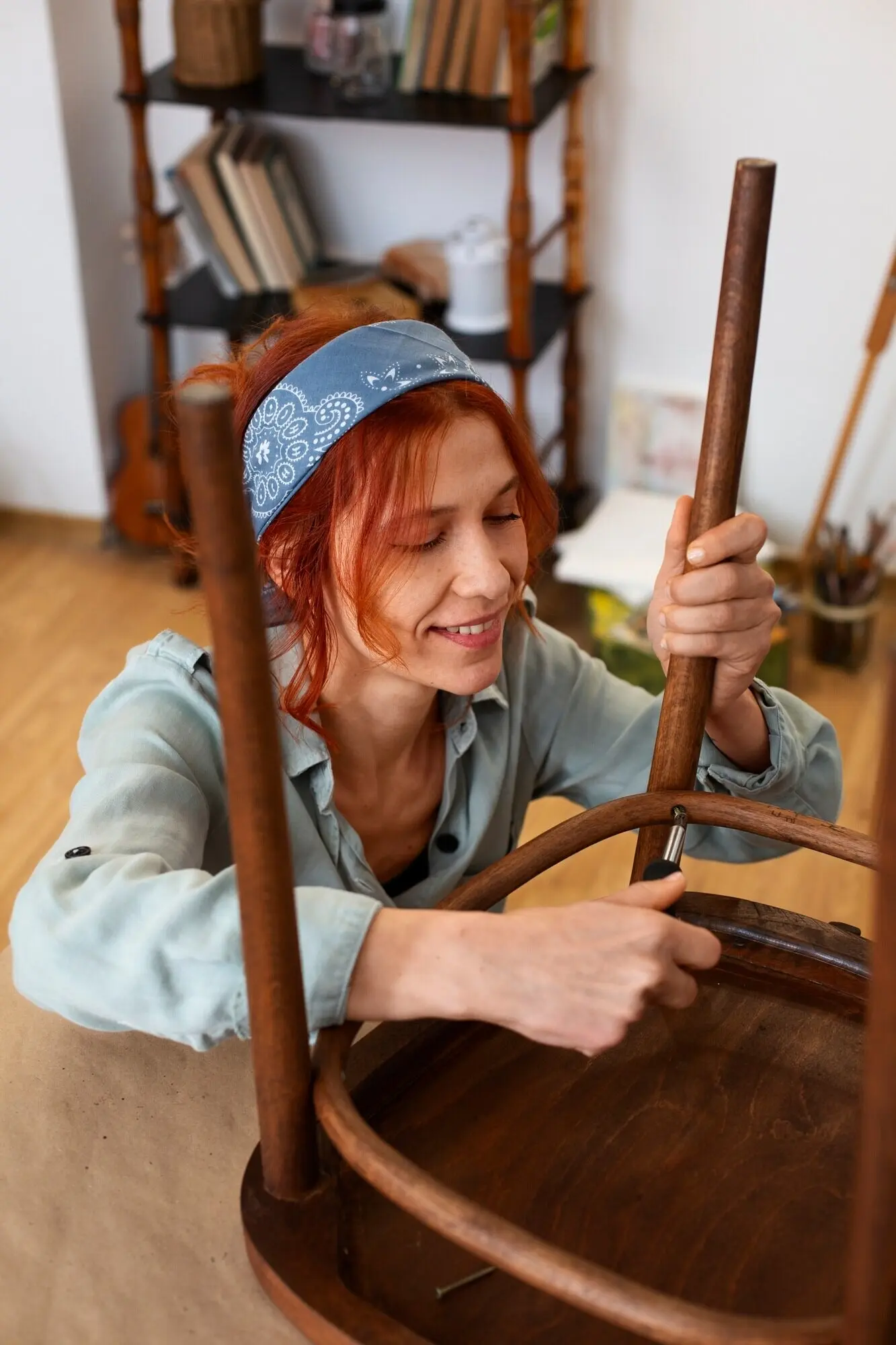
Assemble tools that punch above their weight: multi-bit screwdrivers, Torx sets, hex keys, pliers, clamps, wood glue, fabric needles, upholstery tack lifters, seam rippers, outlet testers, heat-shrink tubing, and a compact sewing machine. Add cleaning brushes, citrus-based degreaser, and microfiber cloths to elevate results. Label everything, and include laminated quick guides. Keep spare cords, feet, screws, and fuses. Transport in rolling bins. With this kit, most common fixes become approachable, delivering confident first steps and repeatable community wins.

Repairs You Can Teach in Thirty Minutes
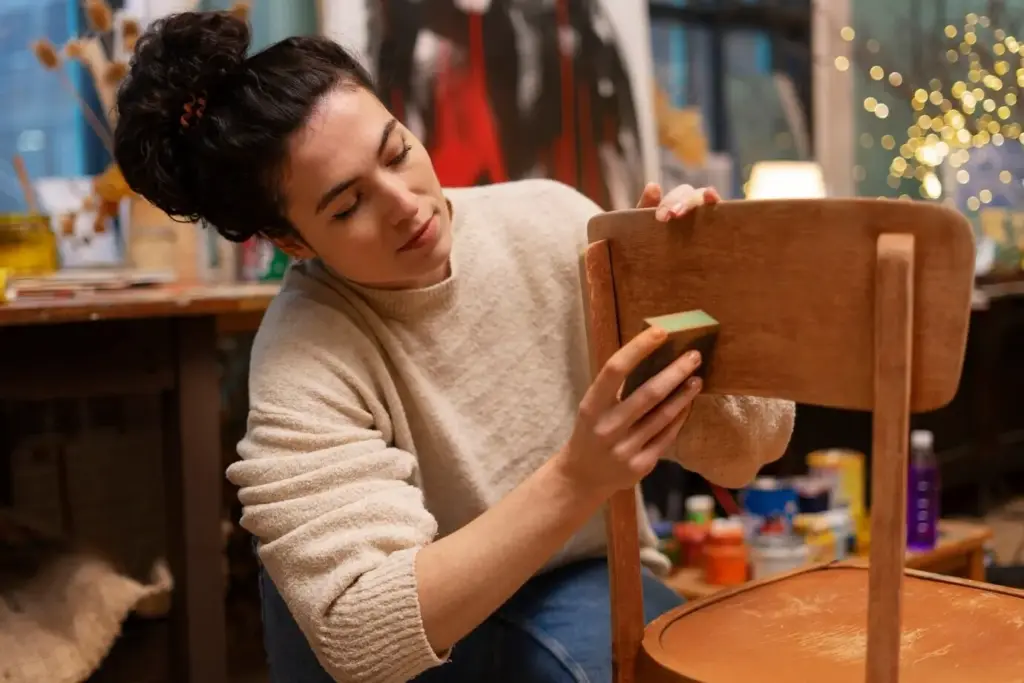
Focus on repeatable favorites: re-gluing a chair rung, tightening drawer slides, replacing a lamp cord, stitching a seam, and restoring a finish with gentle sanding and oil. Demonstrate diagnosis, then let learners do the final steps. Celebrate small mistakes as learning points. Provide safe practice pieces for beginners. Print take-home cards with steps, tool lists, and safety notes. Encouraging mastery of easy repairs creates momentum that carries into larger challenges, proving that progress thrives on patient, shared practice.
Workshops That Build Courage and Care
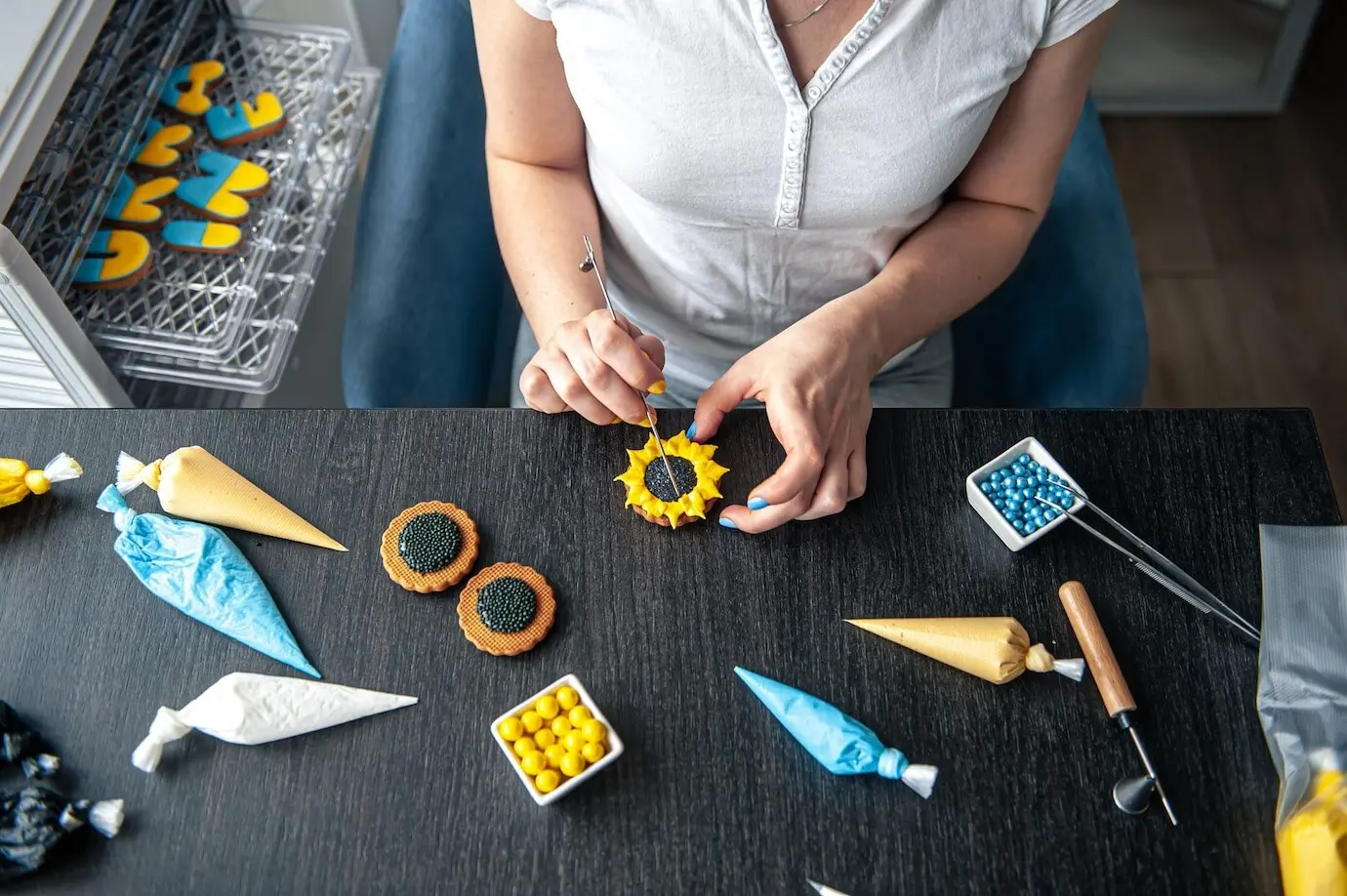
Offer rotating sessions: fabric patch artistry, basic upholstery, wood joinery without fear, and safe small appliance diagnostics. Cap class sizes for attention and peer support. Provide scholarships and childcare to expand access. Invite local makers and tradespeople to co-teach, honoring expertise. Include reflection circles where participants share what they learned and what they will attempt at home next. Each workshop grows a network of mentors and neighbors who recognize one another at the market and say, let’s fix that together.
Equity, Access, and Community Care
Repair and swap spaces flourish when everyone feels welcome. That means clear multilingual signage, accessible venues, and thoughtful scheduling for workers, parents, and elders. Sliding-scale donations should never block participation. Provide transit guidance and a mobile option that visits buildings or rural areas. Partner with mutual aid groups and housing advocates to reach households overlooked by typical outreach. Culture is built by design: show diverse faces in materials, invite feedback loops, and listen deeply. Collective care is sustainable infrastructure.
Funding, Policy, and Staying Power
Long-lived programs combine community energy with steady resources. Start with micro-budgets and grow through sponsorships, grants, and in-kind donations. Build alliances with libraries, housing co-ops, and waste reduction departments. Align with right-to-repair efforts to unlock parts and manuals. Publish transparent impact reports and gratitude lists. Train successors to avoid burnout and embed rituals that make volunteering joyful. With strong governance, gentle documentation, and persistent storytelling, repair and swap gatherings become dependable neighborhood institutions that uplift every participant year after year.

All Rights Reserved.