
Bring Rooms Full Circle with Repair, Refurbish, and Story-Led Style

Welcome to a hopeful, hands-on journey into circular interior design at home, where you repair what you already own, refurbish neglected treasures, and style rooms with pieces that carry stories. Expect practical guidance, safety notes, heartfelt anecdotes, and measurable wins for your budget and the planet. Instead of constant replacement, you will build continuity and character, honoring materials and the people behind them. Begin by choosing one object you already have, imagining its next, more meaningful chapter, and letting your space evolve gently, beautifully, and responsibly.

A Home That Honors Materials

Circular interior design starts with respect: for resources, craft, and the many hands that shaped your belongings. By keeping items in use longer, you reduce waste, preserve embodied energy, and slowly weave rooms that feel collected rather than bought. The goal is not minimalism or maximalism, but mindful stewardship. We pause before discarding, learn new skills before shopping, and cultivate a sense of continuity that grows richer with each careful repair, thoughtful refurbishment, and intentional styling decision.
Refusing to replace a coffee table can do more than spare your wallet; it also avoids the hidden emissions baked into new production and transportation. Consider the embodied carbon of hardwoods, metals, and finishing chemicals. Repairing preserves this investment while protecting indoor air quality from new off-gassing. Over a year, even modest fixes add up, delivering meaningful budget relief and a calmer conscience. The result is a home that reads as lived-in, loved, and wisely maintained.
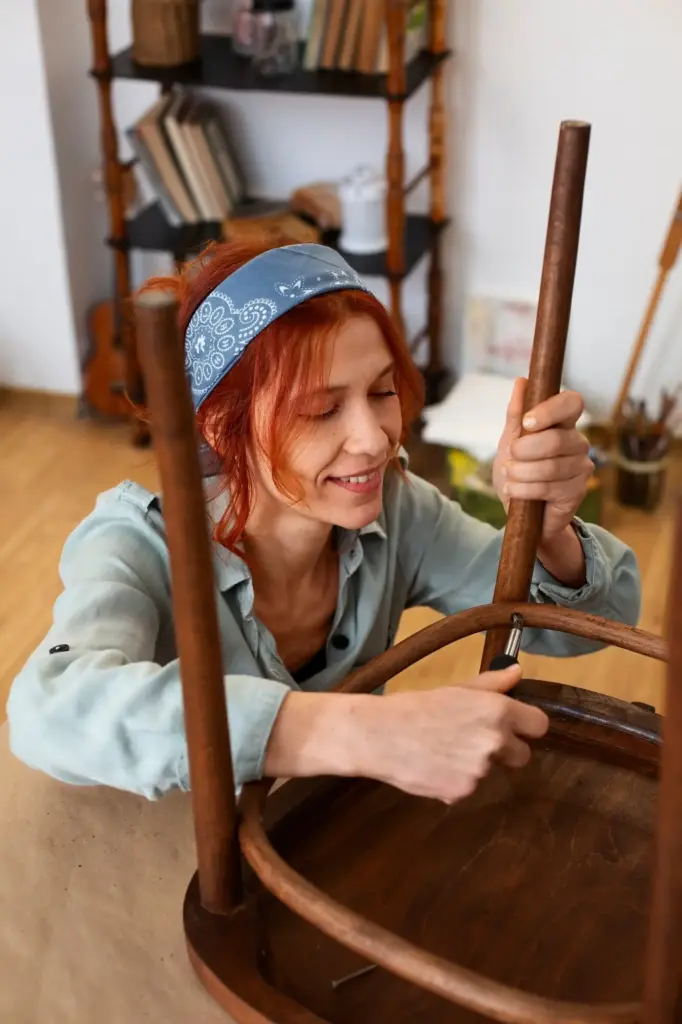
When you mend the wobbly chair your grandfather used to read in, you connect yesterday’s memories to today’s rituals. The object becomes more than a seat; it becomes a witness. Repairing builds agency, binding you to the story of your space. This emotional continuity makes daily life gentler, turning ordinary maintenance into affection. Over time, you see fewer objects and more relationships, which naturally guides future choices toward care, patience, and genuine appreciation.
A chipped sideboard rescued from a curb can become a room’s beating heart. With cleaning, surface repair, and a thoughtful finish, its scars transform into character. Each mark hints at prior lives and new beginnings. Sharing that transformation with guests encourages conversations about resourcefulness and patience. Suddenly, your living room is not a showroom; it is a story room. That shift invites other small saves, seeding a virtuous cycle where creativity replaces disposal, and pride follows perseverance.

Repair First: Tools, Methods, and Confidence

Repair is the entry point to circular living because it builds courage. Start small and repeatable, then scale your ambitions. A handful of reliable tools, a basic understanding of materials, and patient troubleshooting can stabilize most household pieces. Focus on reversible methods to keep future options open. Use low-tox adhesives, appropriate fasteners, and gentle cleaners. Remember that practice compounds quickly; even a single successful fix can unlock momentum, transforming hesitation into a lasting habit of capability.

The Ten-Minute Fixes That Change Everything

Tightening chair joints, swapping loose screws for dowels, gluing lifted veneer edges, and replacing missing glides can dramatically extend furniture life. Ten-minute wins matter because they turn anxiety into action. Keep a compact repair kit ready: screwdriver set, wood glue, clamps, felt pads, mineral spirits, and touch-up markers. Document each fix with a photo and note the date, creating a visible record of progress. Celebrate small saves; they compound into rooms that feel sturdier, calmer, and more intentional.

Wood, Fabric, and Metal: Matching Methods to Materials

Different materials ask for different manners. Wood appreciates patient clamping and compatible glues, with repairs hidden in grain direction. Fabric responds to patching, invisible mending, or slipcovers that respect wear patterns. Metal thrives on rust removal, protective coatings, and proper torque. Learn which fillers remain flexible, which solvents are safest, and when heat helps or harms. Material literacy protects original integrity while making future interventions easier. Respect the substrate, and the repair becomes a quiet collaboration rather than a fight.

Safety, Finishes, and Indoor Air Quality

A beautiful repair means nothing if it compromises health. Test unknown paints for lead, ventilate generously, and choose low-VOC finishes whenever possible. Wear appropriate protection when sanding or stripping, especially with vintage pieces. Prefer waterborne topcoats, plant-based oils, and shellac where suitable. Keep solvents sealed and rags safely stored to prevent spontaneous combustion. If in doubt, consult local guidelines or a professional. Healthy materials support deeper comfort, ensuring that renewed pieces add grace without adding hidden risks or irritants.

Stripping, Sanding, and Surface Prep Without Regret

Preparation determines outcomes. Clean first to avoid grinding dirt into grain. Test hidden areas to understand finish type. Strip only what you must and protect crisp edges from over-sanding. Step through grits slowly, vacuum thoroughly, and wipe with a compatible solvent before finishing. Mask joints and moving parts to maintain function. Document hardware placement to prevent mix-ups. Thoughtful preparation minimizes waste, preserves detail, and keeps you from overcommitting. The less you remove, the more of the original story remains intact.

Color Stories That Respect Original Craft

Color can honor heritage while making a piece feel current. Sample hues on removable panels or primed swatches, watching them in daylight and at night. Choose finishes that highlight joinery, grain, or metalwork, letting craftsmanship remain visible. Think beyond single colors by layering glazes, waxes, or subtle distressing for depth. Anchor choices in narrative: a coastal blue for inherited pine, soot-charcoal for industrial steel, warm linseed tones for oak. When color extends a story, the room reads confident, layered, and honest.

Upholstery That Extends Life and Comfort

Successful upholstery updates begin with structure. Tighten frames, refresh webbing, and replace tired foam with natural or low-emission alternatives. Choose durable, cleanable textiles, ideally with recycled content or certified sourcing. Respect original lines; patterns should support proportions, not overwhelm them. Save old fabric samples and labels for provenance. Photograph layers as you dismantle to guide reassembly. A refreshed seat changes posture, mood, and the amount of time you spend gathering. Comfort becomes an invitation, and the piece earns its renewed place.

Style with Stories: Rooms that Remember

Story-led styling turns objects into companions. Arrange furniture and accessories to reveal their journeys: the flea-market lamp beside the letter you found tucked inside, the repaired table under a bowl inherited from your aunt. Vignettes gain power when narratives connect across the room. Tell these stories to visitors and invite their interpretations. This approach reduces impulse buying because meaning, not novelty, guides decisions. The result is a home that feels collected, grounded, and emotionally legible to everyone who enters.

Thrift, Auction, and Community Markets

Arrive early, carry measurements, and bring a small flashlight to inspect joinery, veneer edges, and underframes. Feel the weight; quality often reveals itself in heft and balance. Ask vendors about storage history and smells that hint at mold or pests. Photograph maker stamps and compare prices later, avoiding rushed choices. Leave space for serendipity; sometimes the best piece is the familiar form hiding beneath dust. Community markets also connect you with repair experts who trade tips while you browse together.

Digital Platforms and Verification

Online marketplaces unlock broader choice but demand careful verification. Request close-ups of hardware, interiors, and any damage. Ask sellers to photograph a level across surfaces to confirm warping. Cross-check listings against maker catalogs or crowd-sourced databases. Negotiate fairly, accounting for refurbishment costs and transport emissions. Arrange safe delivery with blankets, straps, and climate considerations. Keep a shared spreadsheet tracking dimensions, materials, and planned repairs. Digital diligence prevents heartache and ensures each arrival is worthy of the time you will lovingly invest.

Designing for Longevity and Future Repairs

Longevity is designed, not wished for. Favor reversible joints, accessible fasteners, and modular arrangements that anticipate life’s changes. Choose materials with known maintenance pathways and parts availability. Document your interventions and store finish samples neatly labeled for future touch-ups. Aim for airflow behind large pieces and adjustable lighting to reduce wear. When you celebrate maintainability, everything becomes easier to love longer. Rooms remain flexible, ready to absorb new stories without demanding costly overhauls or wasteful reinventions.
Vezezupavukiremofepexo
Privacy Overview

This website uses cookies so that we can provide you with the best user experience possible. Cookie information is stored in your browser and performs functions such as recognising you when you return to our website and helping our team to understand which sections of the website you find most interesting and useful.