


Shine That Lasts: Caring for Furniture the Gentle, Green Way

Welcome! Today we explore low-toxic polishes and eco-friendly cleaning routines for furniture longevity, celebrating surfaces that age beautifully without compromising indoor air, skin comfort, or planet. Expect practical recipes, label-decoding tips, and mindful rituals that protect finishes, honor craftsmanship, and make everyday care feel restorative rather than burdensome.

What Gentle Protection Really Looks Like

Decoding “Low-Toxic” Without Guesswork

Low-toxic usually means fewer volatile organic compounds, safer carriers, and minimal sensitizers, but clarity lives in details. Check Safety Data Sheets, hazard pictograms, and fragrance disclosures. Prefer pump bottles over aerosols, and always patch-test on an unseen area. Gentle care begins with understanding concentration, ventilation, and respecting how little product you actually need.

Greenwashing Clues Hiding on Labels

Beware vague claims like “eco,” “pure,” or “natural” without full ingredient lists. Seek third-party validation, transparent percentages, and fragrance allergen disclosures. Responsible makers share SDS documents, explain solvent choices, and avoid unnecessary dyes. If the label dodges questions or overpromises instant miracles, your furniture and lungs will likely prefer a more candid alternative.

How Oils and Waxes Actually Protect Surfaces

Plant oils slowly polymerize, settling into micro-pores, while beeswax or carnauba forms a breathable, buffable shield. This combination reduces water spotting, softens the look of tiny scratches, and deepens grain without suffocating wood. Properly cured, the finish resists smudges, welcomes gentle re-buffing, and ages like good leather—richer, not plastic-glossy or gummy.

Five-Minute Daily Reset

Use a dry, high-quality microfiber to lift dust rather than smear it. Tackle handles and edges where skin oils accumulate. A soft-brush vacuum keeps joints and caned panels clean. Skip fragrance-heavy sprays; breathable surfaces stay calmer. Place coasters, rotate decor gently, and let the day end with a quiet, satisfying buff instead of scrubbing.

Weekly Nourish Without Build-Up

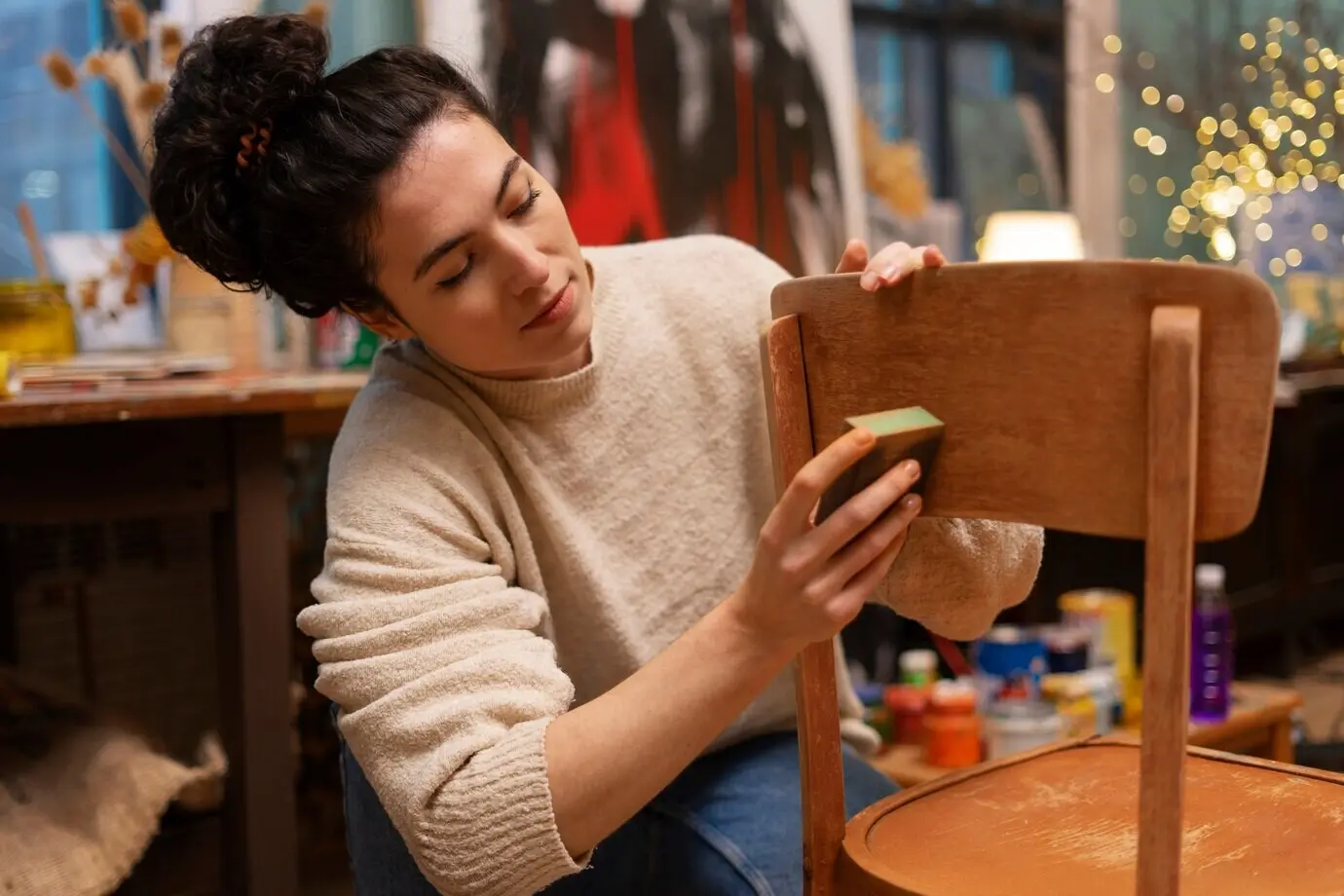
Lightly dampen cloth with filtered water and a drop of mild soap, then immediately follow with a dry buff. Focus on touchpoints and horizontal planes that host crumbs. If sheen feels tired, apply a whisper-thin layer of gentle polish, waiting the full cure time. Buff with the grain, and stop before surfaces look slick.

Different Materials, Different Care

Furniture rarely speaks one language. Solid wood, veneer, leather, metal, stone, and cane each respond to moisture, heat, and products differently. Adapting care means learning grain direction, adhesive limits, tanning methods, and sealant types, then matching gentle techniques to those realities. Fewer mistakes, fewer repairs, and a steadier glow naturally follow.

Solid Wood and Veneer: Similar Looks, Different Needs

Solid boards move with seasons; veneers hide slender beauty over stable cores. Use minimal moisture and quick dry times to protect glue lines. Favor nourishing finishes that breathe. Always apply polish thinly, buff thoroughly, and avoid flooding edges. When in doubt, test in back corners and watch for lifting or haze before proceeding.

Leather and Faux Leather, Comfort Without Harsh Solvents

For leather, dust first, then a slightly damp cloth, then a conditioner free from strong solvents and heavy perfume. Keep away from radiators and sun glare to prevent drying. For faux leather, mild soap works, but avoid citrus strengths. Either way, blot spills, never rub aggressively, and moisturize sparingly to maintain supple texture.

Metals, Stone Tops, and Cane or Rattan Details

Brushed metal appreciates pH-neutral cleansers and soft pads, not scouring powders. Sealed stone prefers mild soap, minimal acids, and frequent drying to stop etch marks. Cane or rattan thrives with gentle vacuuming and occasional humidified air, not soaking. Respect finishes, protect from standing water, and you’ll avoid dullness, corrosion, and brittle fibers.

Recipes and Safer Store-Bought Allies

Beeswax and Jojoba Cream You Can Whip at Home

Melt grated beeswax with jojoba in a double boiler, add a few drops of vitamin E, then cool to a soft balm. Skip heavy fragrance. Apply a fingertip amount, wait, and buff patiently. This breathable layer refreshes sheen without tacky residue. Label jars with dates, and store away from heat for reliable texture.

Citrus Power, Used Thoughtfully

D-limonene lifts greasy spots and sticky label traces, yet its strength can soften delicate finishes. Use extreme dilution, ventilate well, and rinse promptly. Some people are sensitive to citrus terpenes; skip fragrances entirely if unsure. When a mess insists, test first, approach slowly, and finish with a neutral cleaner to restore balance.

When Purchasing Makes Sense

Time tight? Choose polish with full ingredient transparency, low-VOC claims backed by data, and responsible packaging like pumps or aluminum bottles. Seek third-party certifications and readable SDS links. Browse reviews mentioning absence of headaches or lingering perfume, and prioritize brands that invite questions, publish test methods, and explain exactly how their finishes cure.

Tools, Techniques, and Mistakes to Avoid

Use tightly woven microfiber with bound edges to prevent scratches and lint. A soft horsehair brush reaches carvings; a HEPA vacuum traps fine dust before it abrades finishes. Separate cloths by task, wash fragrance-free, and retire worn pieces. Simple upgrades to tools prevent swirls, reduce product waste, and dramatically improve your results.
Always begin in hidden corners, assessing color shift and residue. Wipe with the grain to minimize visible marks, and keep pressure light so cloths do the work. Layer thin coats rather than flooding surfaces. Allow adequate cure times, then buff with patience. The result is steady clarity instead of rollercoaster shine and streaks.
Too much product traps dust and dulls detail. Silicone-heavy sprays can leave slippery films that resist refinishing later. If a product’s odor lingers or irritates eyes, pause and ventilate; performance never requires discomfort. Strip gently with appropriate cleaners, reset to a clean slate, and rebuild sheen with minimal, respectful applications over time.

Longevity Starts With Prevention

Caring begins before spills happen. Control sunlight, heat, humidity, and friction to prevent damage that cleaning cannot reverse. Small pads, thoughtful placements, breathable covers, and steady airflow become quiet guardians of heirlooms and flea-market rescues alike. Prevention turns maintenance into companionship, saving money, resources, and the stories etched into everyday surfaces.

Tame Sun, Heat, Humidity, and Movement

Use UV-filtering curtains or films, rotate pieces away from intense windows, and add coasters beneath hot mugs. Keep relative humidity stable around moderate levels, and use felt glides to stop chair rash. Secure bookcases, level wobbly legs, and lift rather than drag. Calmer environments prevent cracks, warps, ghost rings, and avoidable heartache.

Small Repairs That Save Pieces From the Landfill

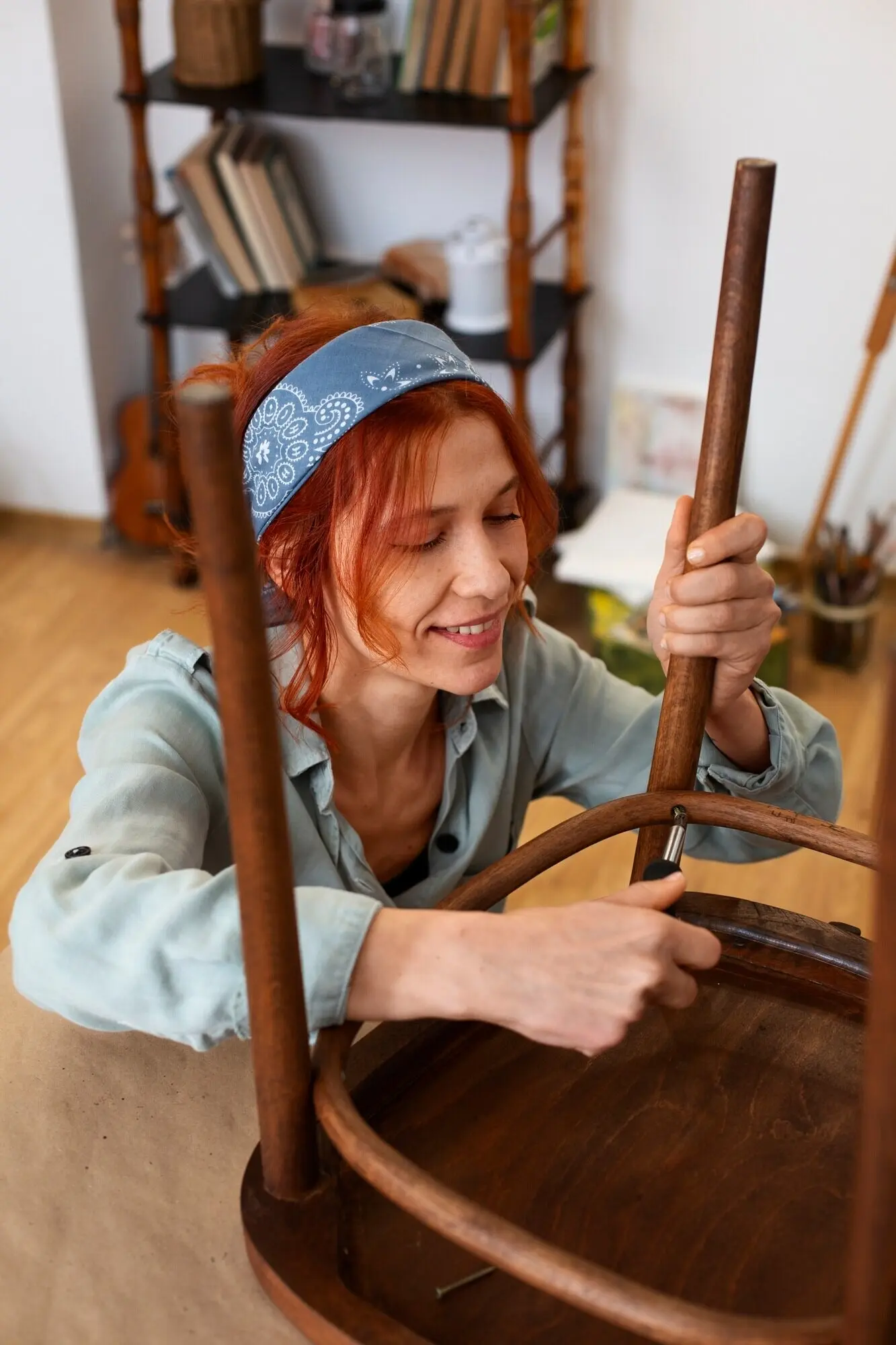
Tighten screws before joints loosen dangerously. Re-glue mortises with reversible adhesives, and spot-fill chips with wax sticks color-matched to grain. Rub drawer runners with a hint of wax for glide. Lift water rings using a cotton cloth and warm iron, carefully. Tiny fixes now protect integrity later, keeping beloved furniture in circulation.

Community, Stories, and Shared Care

When Maya swapped a silicone spray for a beeswax-jojoba balm, streaks vanished and the walnut table finally felt like wood again. Share your wins, questions, and rituals in the comments, or subscribe for monthly care prompts. Together we trade recipes, troubleshoot puzzles, and keep beautiful pieces useful, breathable, and joyfully alive at home.

Vezezupavukiremofepexo
Privacy Overview

This website uses cookies so that we can provide you with the best user experience possible. Cookie information is stored in your browser and performs functions such as recognising you when you return to our website and helping our team to understand which sections of the website you find most interesting and useful.