


Stories That Make Furniture Last

Today we explore Emotional Durability: Using Narrative Design to Encourage Long-Term Furniture Care, uncovering how stories, rituals, and meaningful details turn everyday objects into trusted companions. By shaping connections through origin tales, tactile materials, and repairable constructions, furniture becomes part of family history rather than landfill statistics. Join us as we share research, practical design strategies, and real-life anecdotes that inspire thoughtful ownership, joyful maintenance, and mindful passing on. Share your experiences, ask questions, and subscribe to continue building a culture where care grows stronger with every year.

Why We Keep What We Love

Narrative Design Fundamentals

Narrative design builds attachment by weaving purpose, provenance, and participation into tangible details. It begins with a credible origin story, continues through intentional material choices, and blossoms via rituals of care. Every cue invites owners to notice, touch, and respond, turning maintenance into a meaningful habit. Clarity, honesty, and room for personalization matter most. When stories remain authentic and open-ended, people add their own chapters, ensuring the object stays present in both attention and affection.

Materials That Gather Memories

Some materials age like friends, growing warmer and more expressive with use. Solid wood, full-grain leather, brass, linen, and wool gather traces of life that enrich rather than degrade. Finishes should invite renewal through simple processes instead of requiring specialized facilities. When owners can buff, re-oil, mend, or patch confidently at home, they become co-authors of the surface narrative. These choices align touch, beauty, and practicality, ensuring that time deepens character rather than exposes fragility.

Designing for Care and Upgrades

Durability grows when furniture anticipates change and invites participation. Replaceable parts, standardized fasteners, and clear access points shift power to the owner. Care instructions framed as narratives transform chores into rituals. Upgrades become extensions of the original promise rather than admissions of failure. By aligning modularity with aesthetics, designers enable adaptation across moves, families, and evolving tastes. The outcome is continuity: the same beloved piece, refreshed for new chapters without erasing its history.

Visible Fasteners, Visible Agency

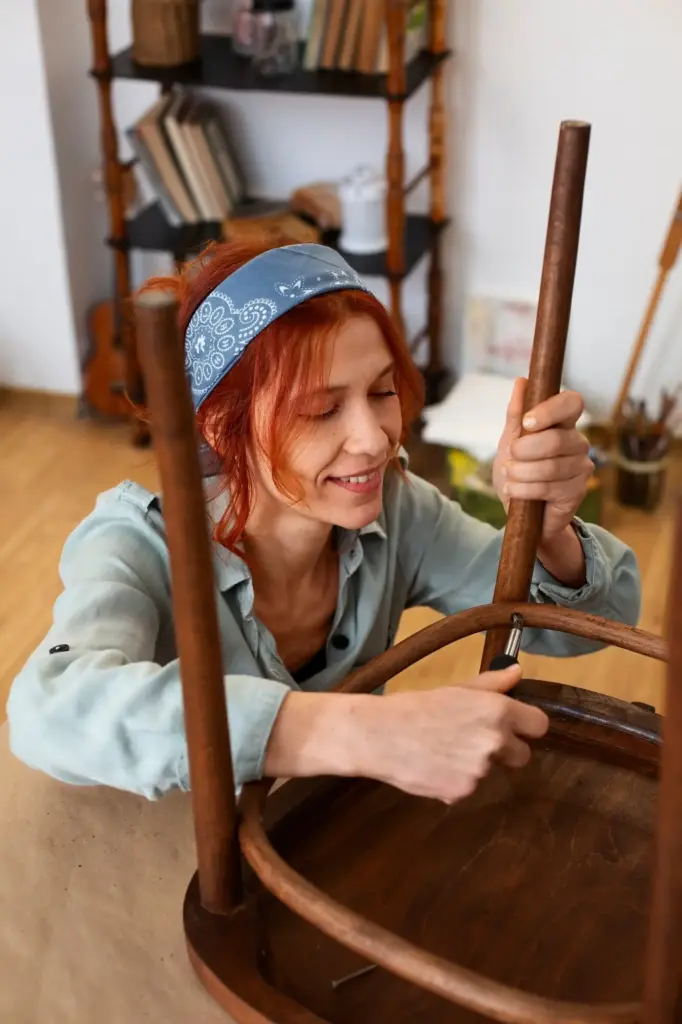
Hardware that welcomes a standard tool signals that maintenance is expected and achievable. Visible, beautiful fasteners demystify disassembly, making tightening and part swaps straightforward. When owners can service joints without fear, they intervene earlier, prevent damage, and feel pride in stewardship. Instruction cards, torque guides, and QR videos reinforce confidence. Agency becomes affection; affection becomes longevity. The object remains dignified because its care is dignified, transparent, and refreshingly human.

Care Guides That Read Like Letters

A friendly voice turns instructions into encouragement. Instead of warning-heavy manuals, provide a letter from the maker explaining why oiling matters, where the wood grew, and how small scratches become part of the story. Include seasonal reminders, playful illustrations, and space to record dates of care. This conversational approach transforms upkeep into a shared ritual between maker and owner, strengthening identity, trust, and the delightful momentum that keeps pieces thriving.
Upgradability Without Obsolescence

Designs can welcome new slipcovers, modular shelves, or replacement cushions without invalidating the original object. Compatibility charts, timeless geometries, and standard dimensions prevent planned obsolescence. Owners invest in the ongoing life of a trusted companion rather than discard it for features. This approach honors past craftsmanship while embracing future needs, reducing waste and cost. The piece remains recognizably itself, aging with grace while meeting changing rooms, families, and uses.
Brand Storytelling and Aftercare Communities

Connection strengthens when brands host spaces for shared learning and celebration. Workshops, repair clubs, and online groups turn care into community. Makers can spotlight owner stories, patina diaries, and intergenerational handovers, reinforcing the pride of continuity. By providing parts, guidance, and responsive support, aftercare becomes a signature experience, not an afterthought. This culture amplifies word-of-mouth, builds resilience, and keeps pieces in service. Invite comments, photos, and questions to nurture a feedback loop that sustains meaningful design.

Onboarding With Purpose

Start strong with a welcome ritual. An envelope in the drawer might hold the maker’s note, a small bottle of finish, and a card inviting owners to name the piece. Unboxing becomes a meaningful moment rather than packaging waste. Encourage a first-care action within the week, establishing a rhythm. This purposeful beginning sets expectations of mutual respect, making future maintenance feel natural and celebratory rather than burdensome or reactive.

Community Repair Rituals

Host seasonal tune-up gatherings where people bring furniture for gentle repairs, oiling, and conversation. Provide tools, guidance, and refreshments, transforming maintenance into a social ritual. Attendees share stories behind dents and patches, learning techniques while strengthening attachment. Document these gatherings and highlight owners’ pride. As confidence grows, pieces last longer, and the culture of care spreads beyond brand boundaries into neighborhoods, schools, and libraries, creating an ecosystem where longevity feels joyful and shared.

Digital Memory Keepers

QR tags and simple apps can store provenance, care logs, and photographs of milestone moments. When owners move or pass items to friends, the story travels intact. Digital memory keeps practical details—finish type, replacement part numbers—alongside emotional notes. This accessible archive simplifies maintenance, supports resale with dignity, and celebrates continuity. Encourage readers to share their digital archives in comments or forums, inspiring others to start documenting and caring with renewed attention and pride.

Measure What Endures

Emotional durability should be measured, not merely admired. Track ownership duration, repair frequency, and reasons for maintenance decisions. Combine qualitative stories with quantitative indicators like parts orders, resource savings, and resale outcomes. Follow-up surveys can capture satisfaction with patina, not only aesthetics at purchase. These insights guide better materials, clearer instructions, and richer narratives. Transparent metrics also engage communities, inviting owners to contribute data and celebrate the carbon, cost, and memories preserved through care.

A Chair That Stayed

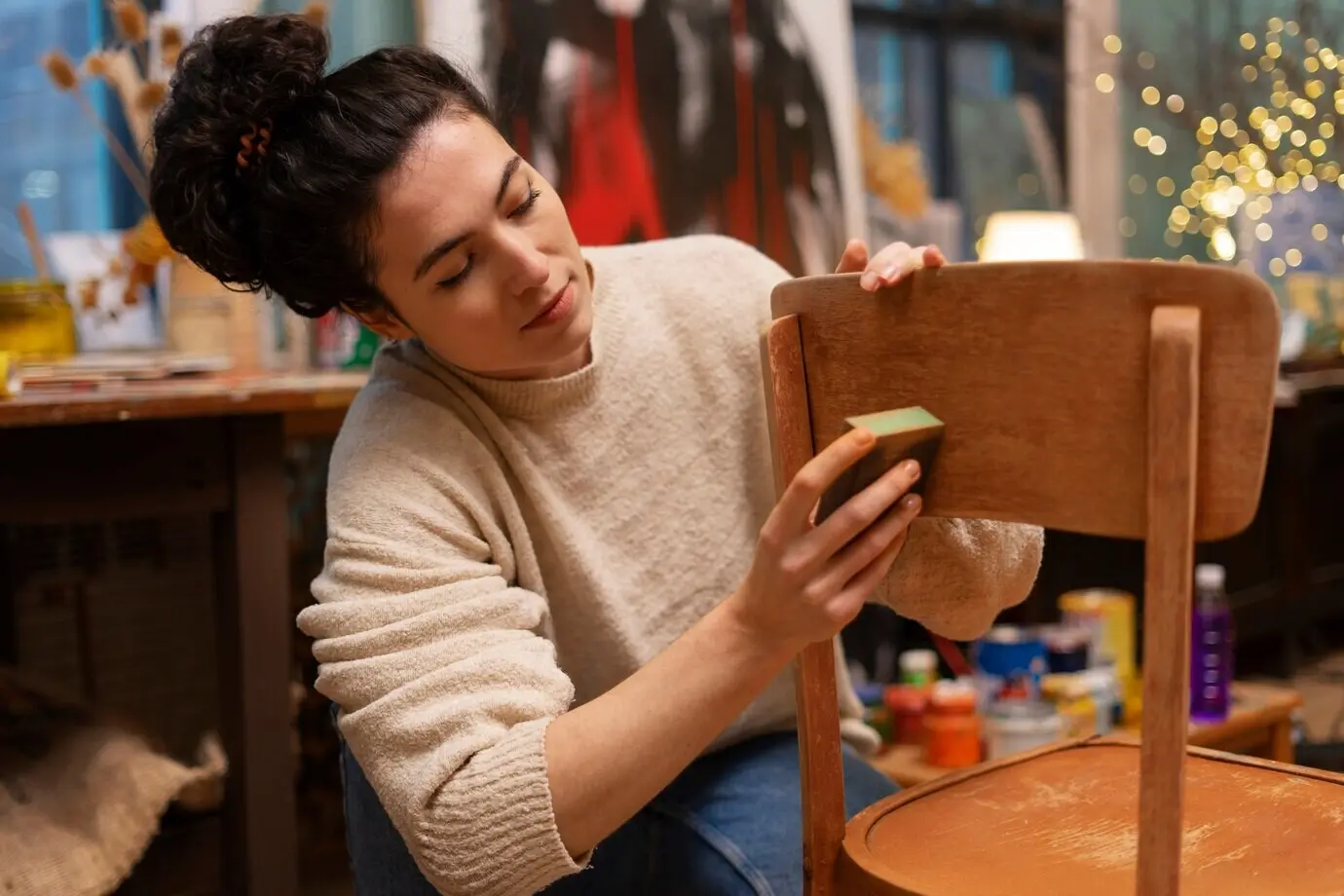
Consider a simple kitchen chair bought during a first apartment move. Its birch seat bore a faint coffee ring from a nervous interview night, later sanded lightly but never fully erased. Over years, it traveled across three cities, adopted a child-height footrest scuff, and survived a cracked spindle that a neighborhood workshop taught the family to replace. The chair’s scars became conversation starters, its repairs became rituals, and its presence became proof that care binds memories to wood.
Vezezupavukiremofepexo
Privacy Overview

This website uses cookies so that we can provide you with the best user experience possible. Cookie information is stored in your browser and performs functions such as recognising you when you return to our website and helping our team to understand which sections of the website you find most interesting and useful.